 MoldPro SolutionsMold Inspection & Testing · Baton Rouge, LA
Call for a free estimate(925) 230-5137
Schedule Inspection
MoldPro Solutions · Baton Rouge, LA
Mold is a moisture problem. Moisture mapping finds the water — the cause behind the growth — before anything else.
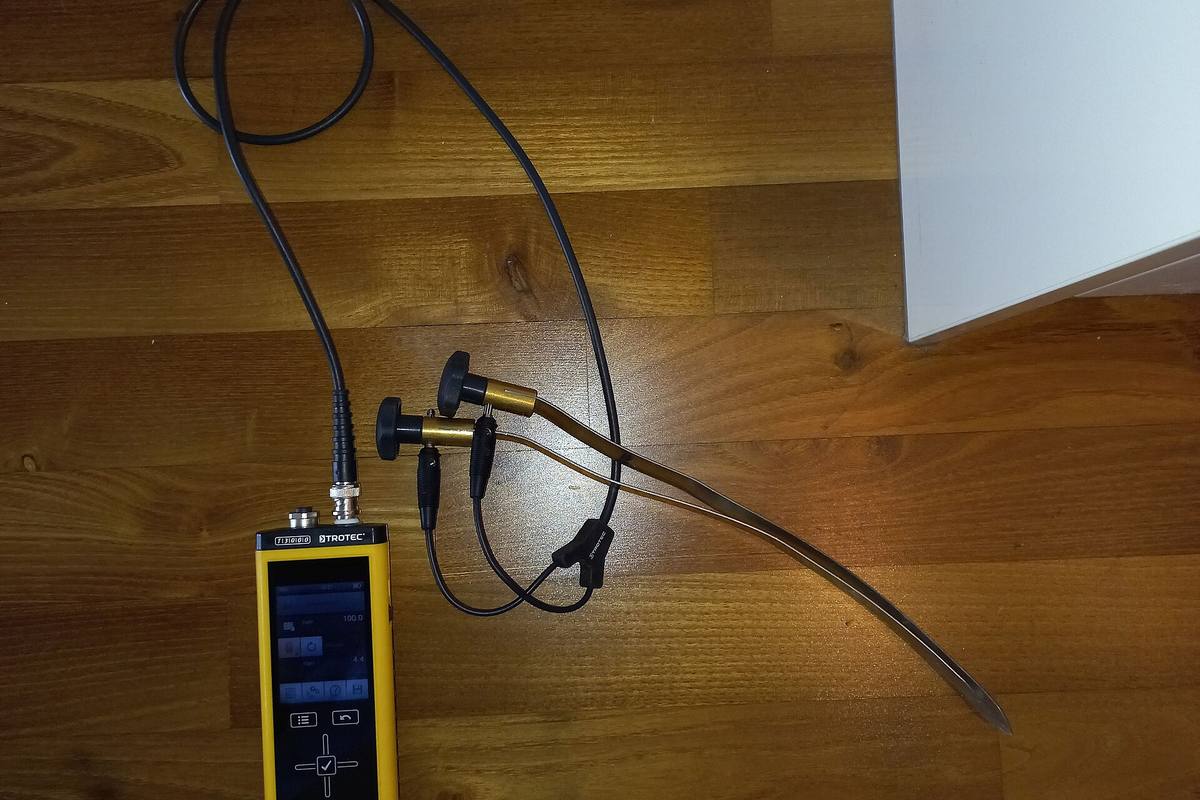
Mold is a moisture problem: keep it dry and it cannot grow. That is why every mold inspection starts with moisture. A moisture inspection maps where water is in the building — in drywall, framing, subfloor and insulation — and traces it back to its source.
Readings are relative: a wet reading means something against a dry reading from the same material. Pin meters read inside framing and sheathing; pinless meters scan drywall and floors without marking finished surfaces. The pattern the readings make usually points straight to the source.
The building is inspected and your history of leaks is taken down.
Pin and pinless meters read moisture across walls, floors and framing.
The pattern of readings points to where the water is coming from.
You get a moisture map with readings, photographs and next steps.
Call and we will connect you with a local mold inspection provider in Baton Rouge.
(925) 230-5137Schedule Your Mold Inspection
Downtown Baton Rouge, South Baton Rouge, Mid City, Garden District, LSU Area — and 20 more areas across Baton Rouge, LA. See all areas →
Questions, Answered
How much moisture is in a material — drywall, wood, concrete — compared with a dry sample of the same material. It does not see mold; it finds the water that lets mold grow.
Because the visible growth is usually only part of the problem. Readings show how far the water has spread inside walls and floors, which decides how much has to be dried or removed.
Yes — that is its main job. A slow supply-line leak or a roof leak can wet framing for weeks before anything shows on the surface. The meter finds it first.
A stain, a smell, a water bill that jumped — any of them is a good reason to look. Schedule an inspection and get a written report that says what is growing, why it is growing, and what it will take to fix it.
Schedule Your Mold Inspection Call Now for a Free Estimate(925) 230-5137